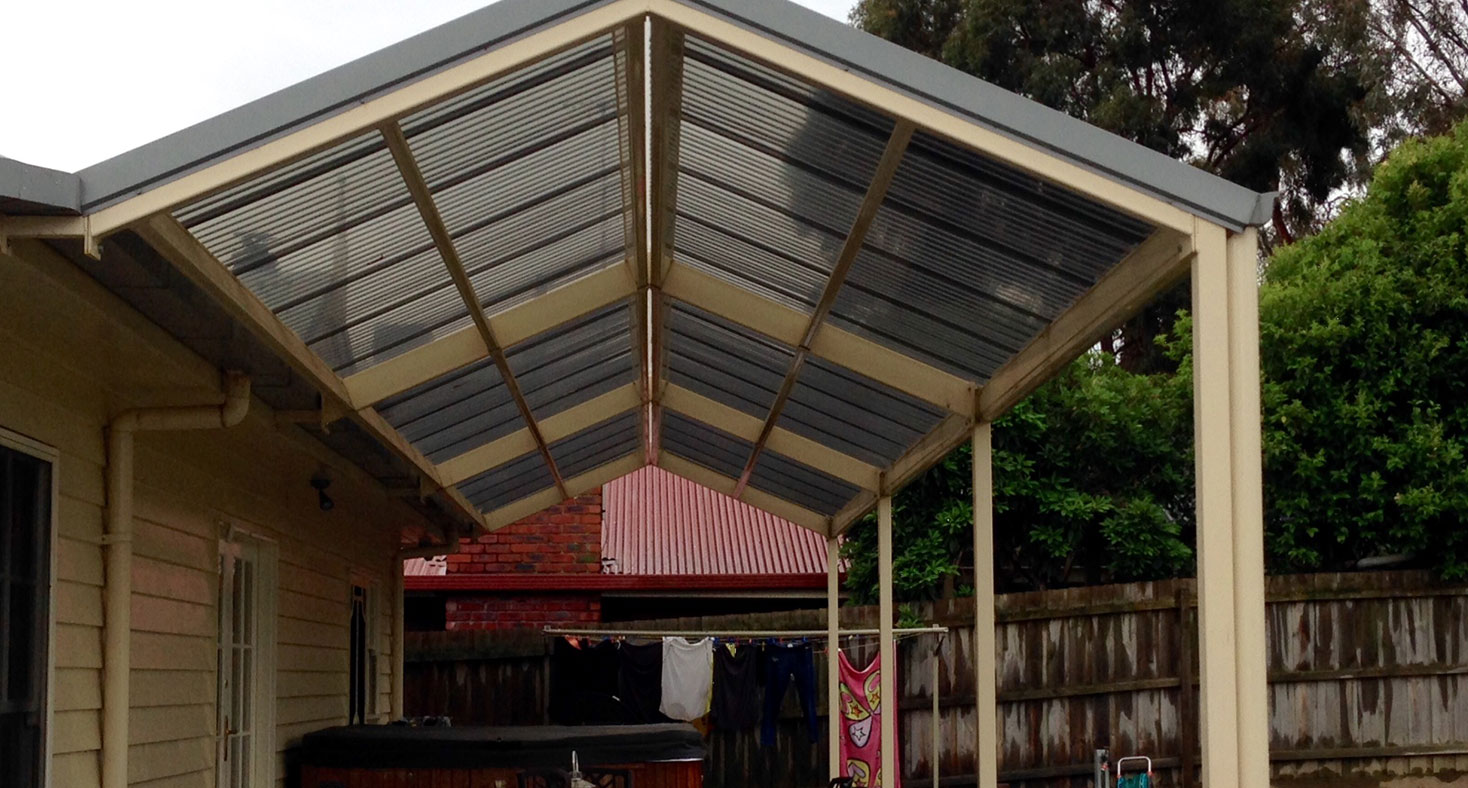
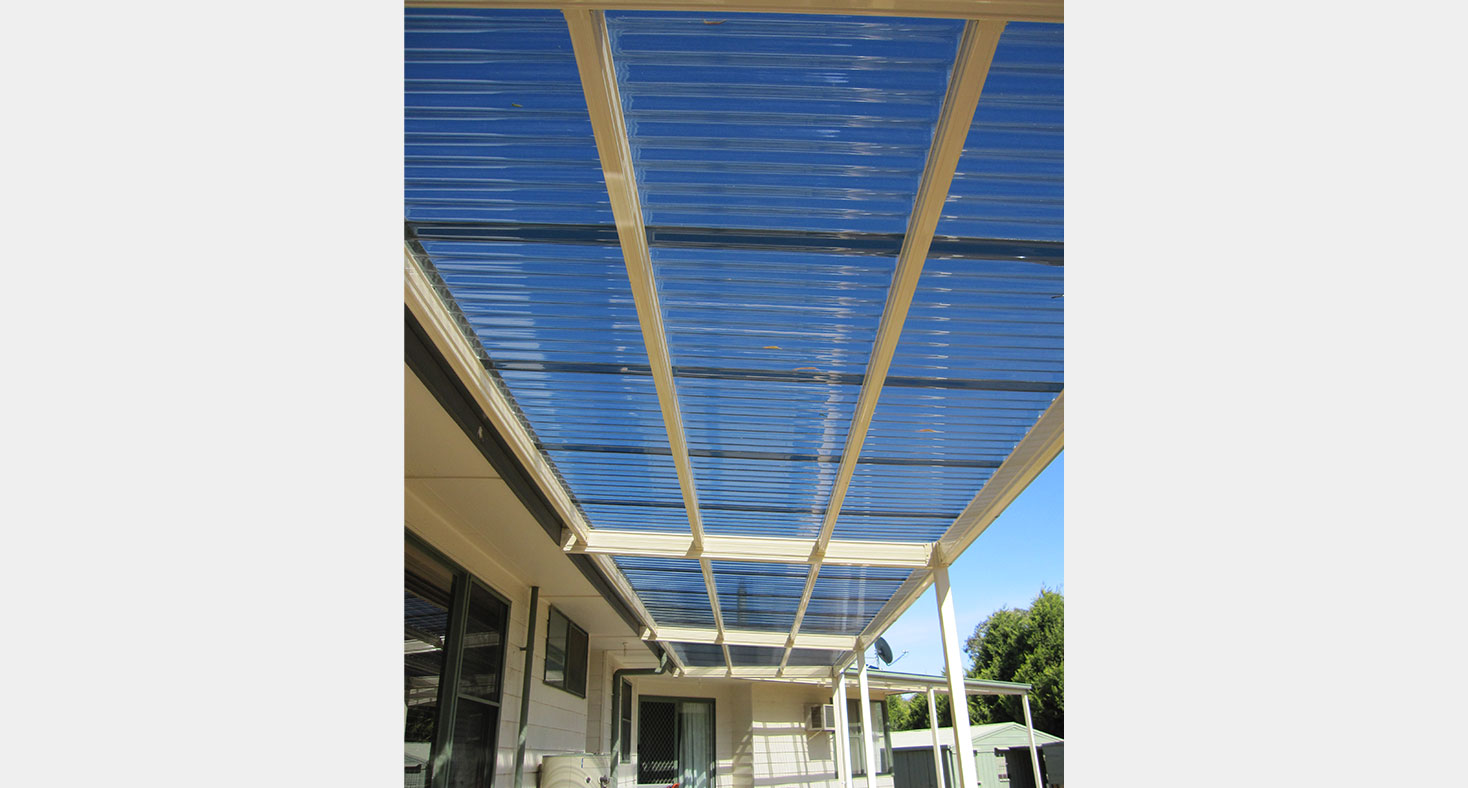
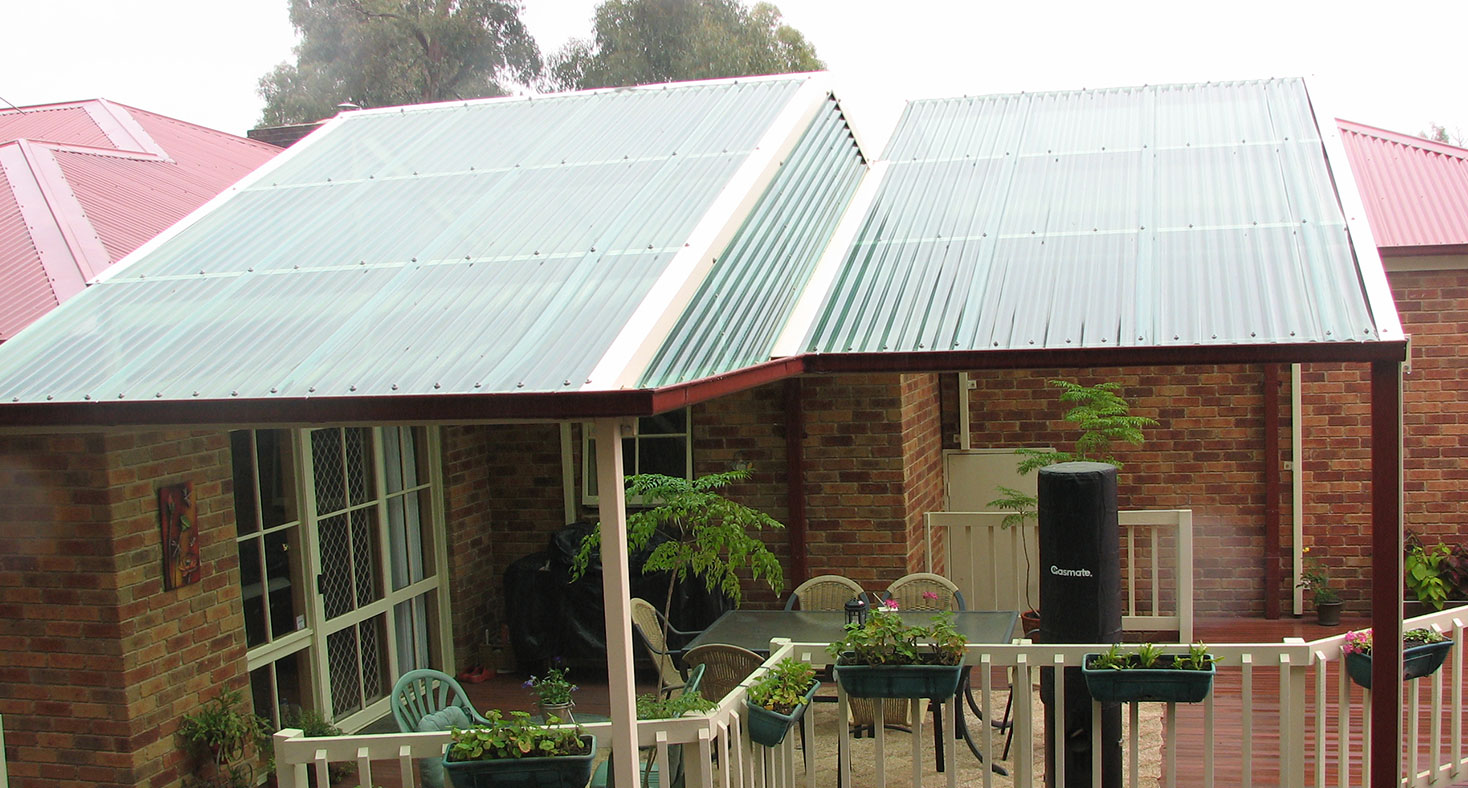
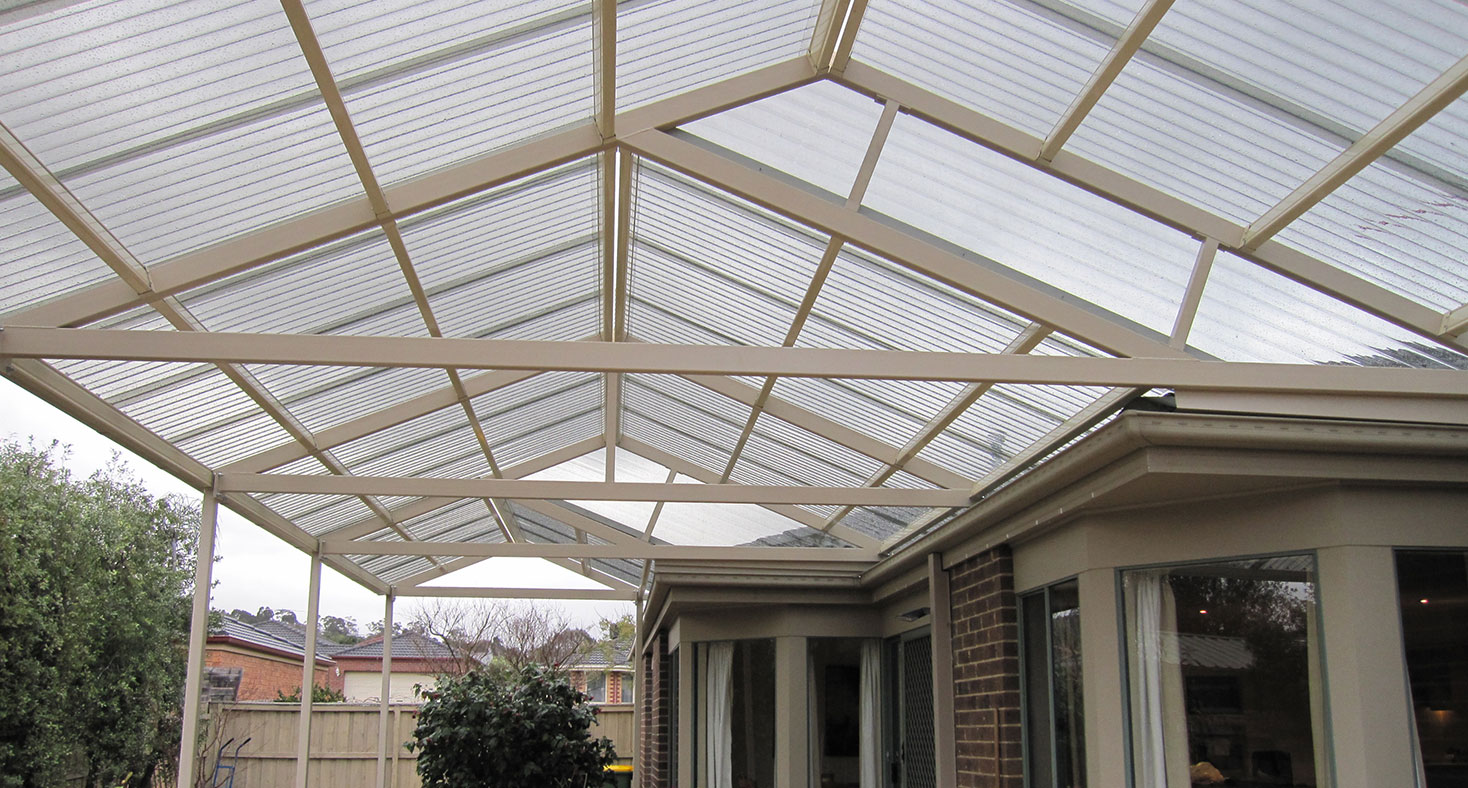
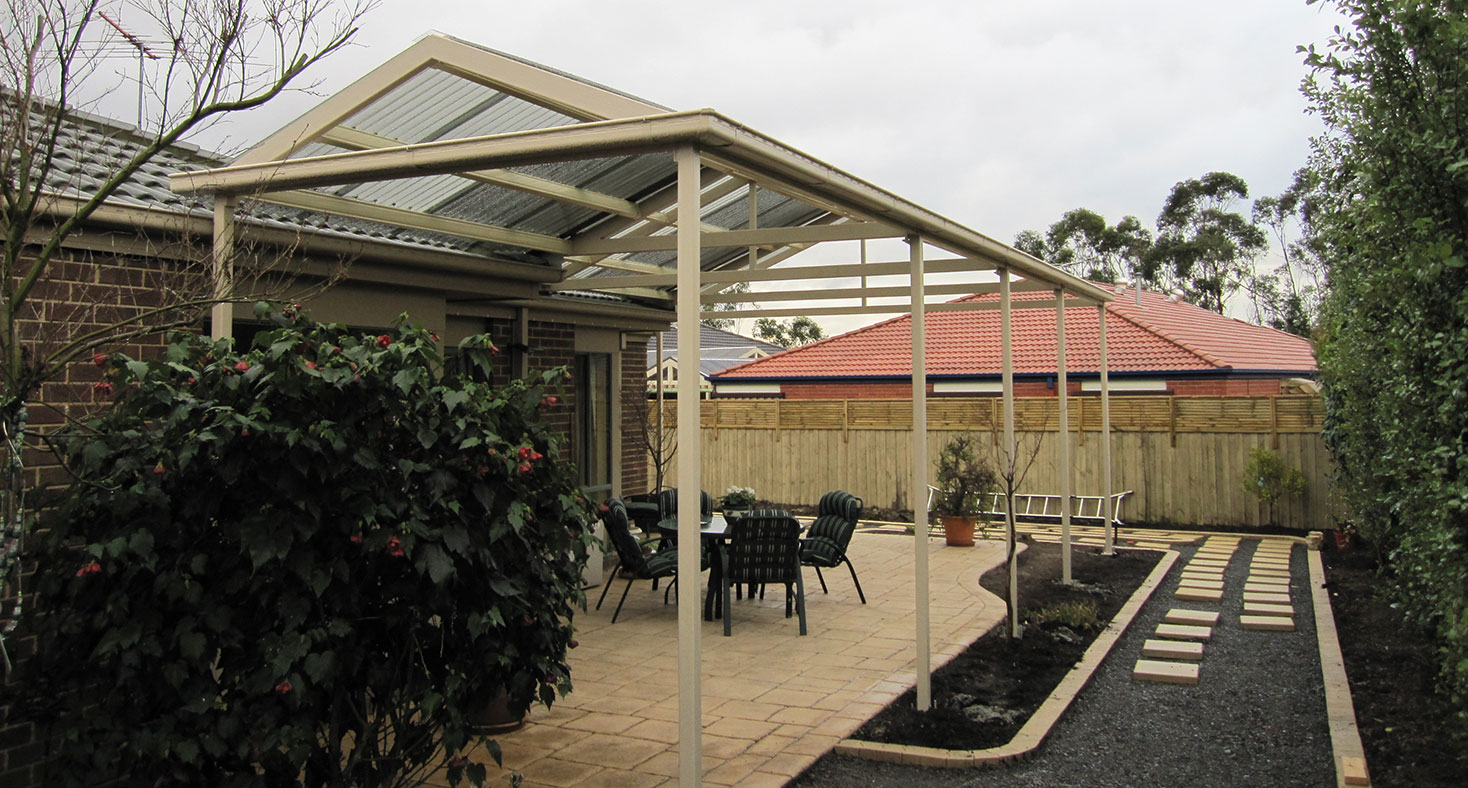
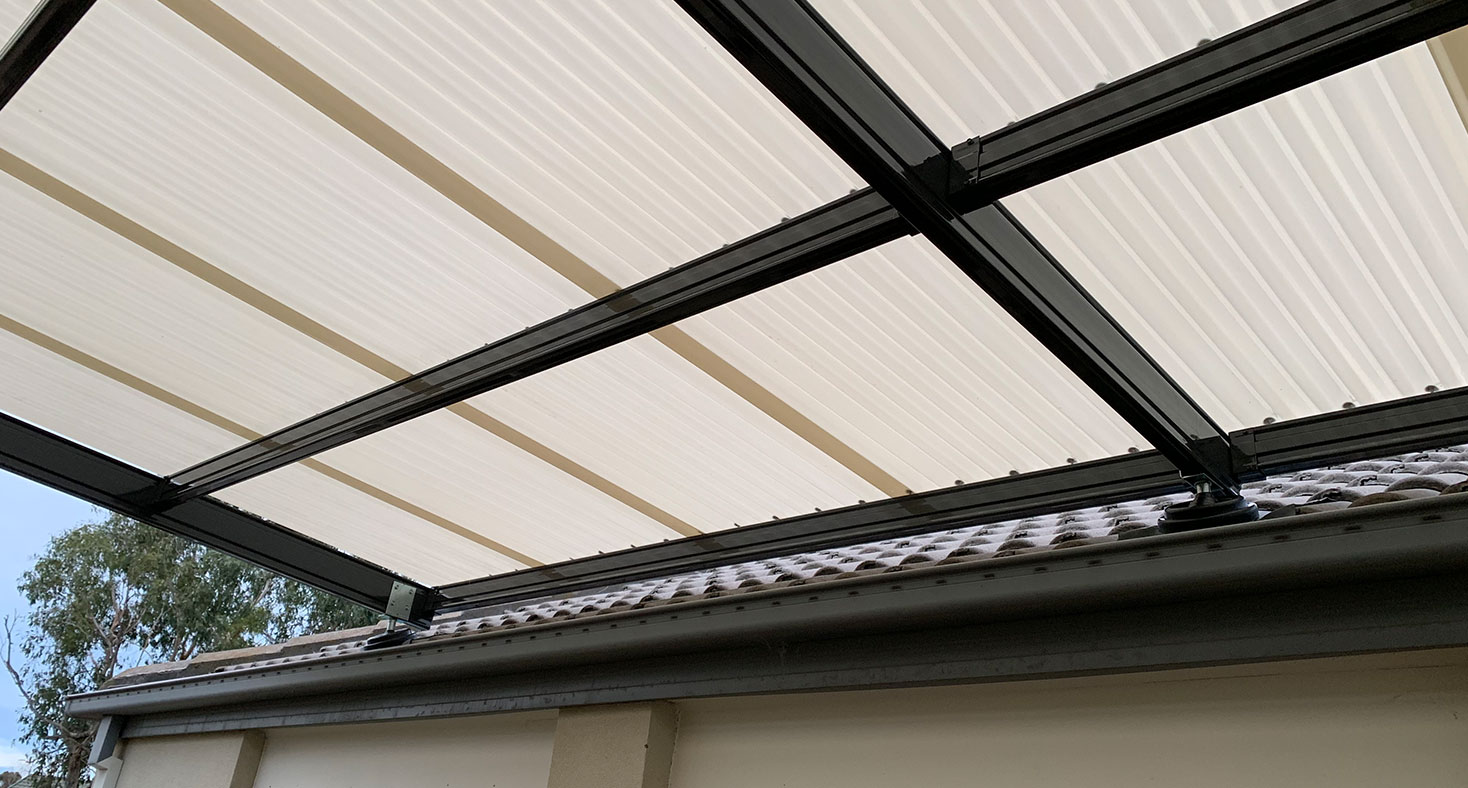
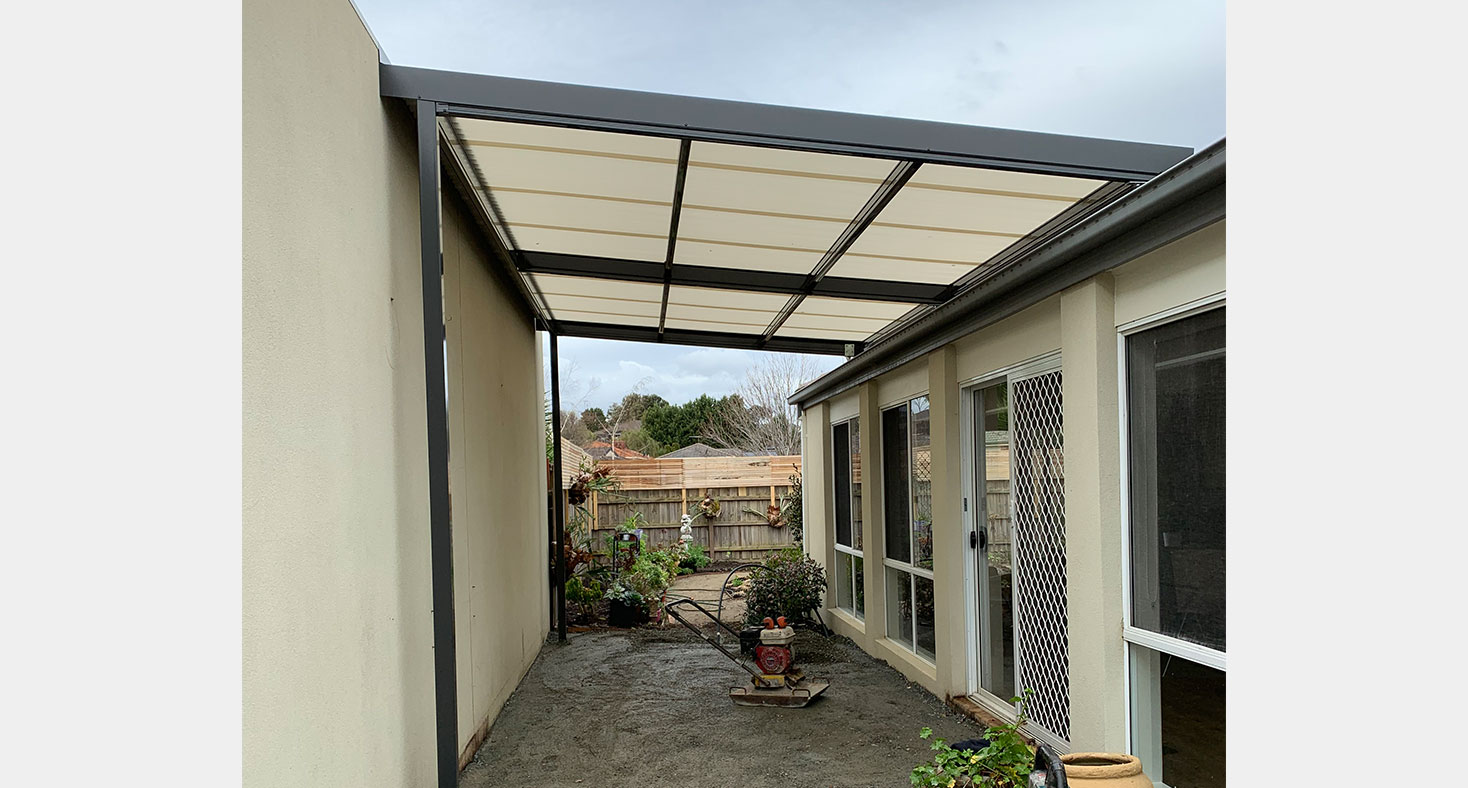
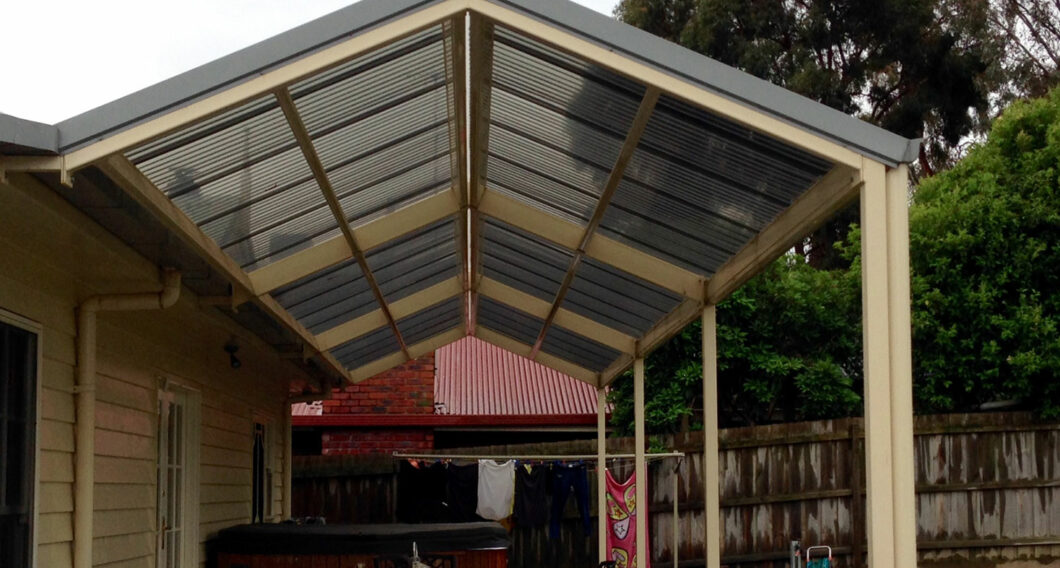
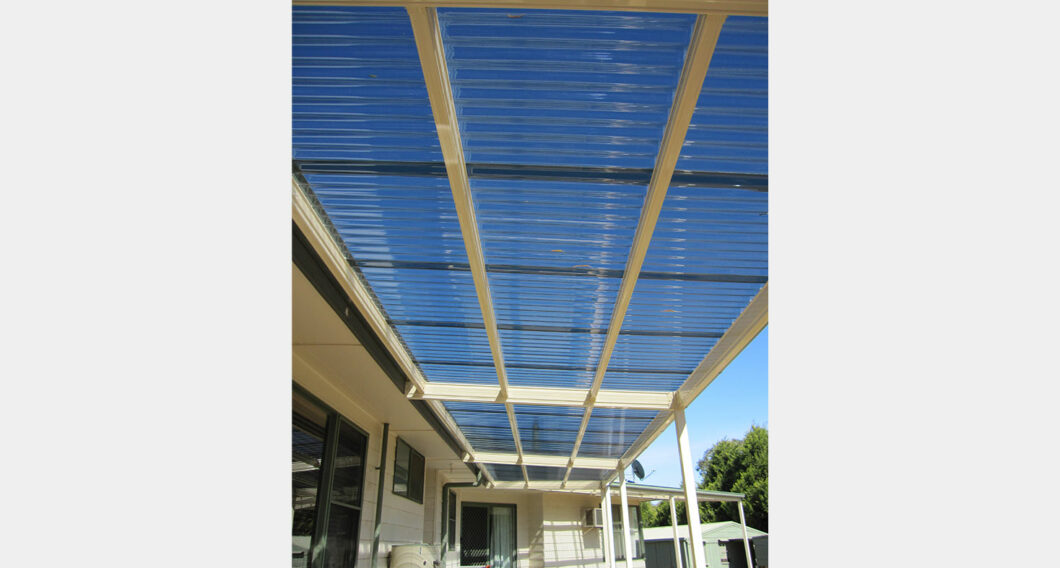
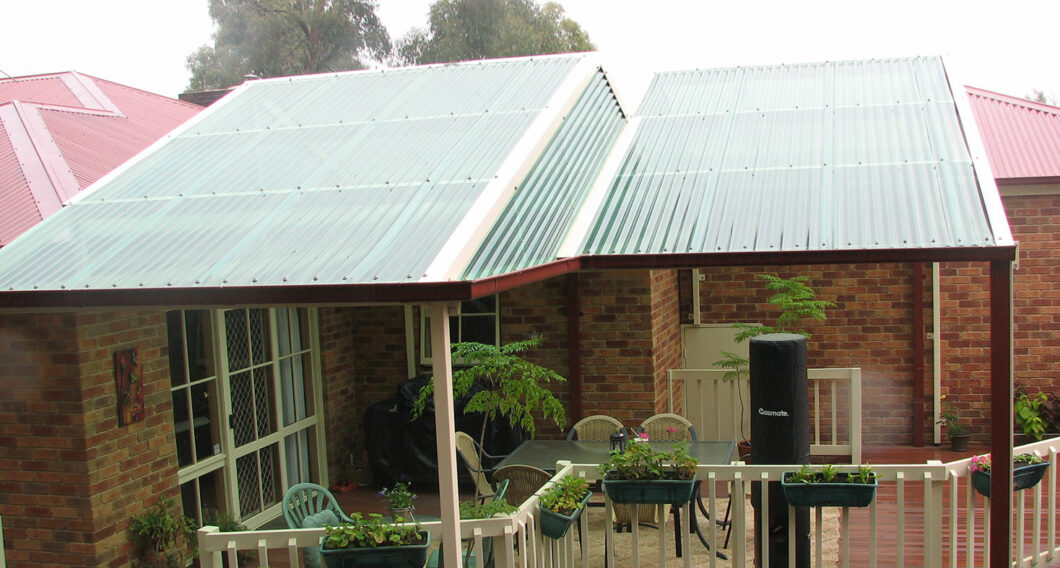
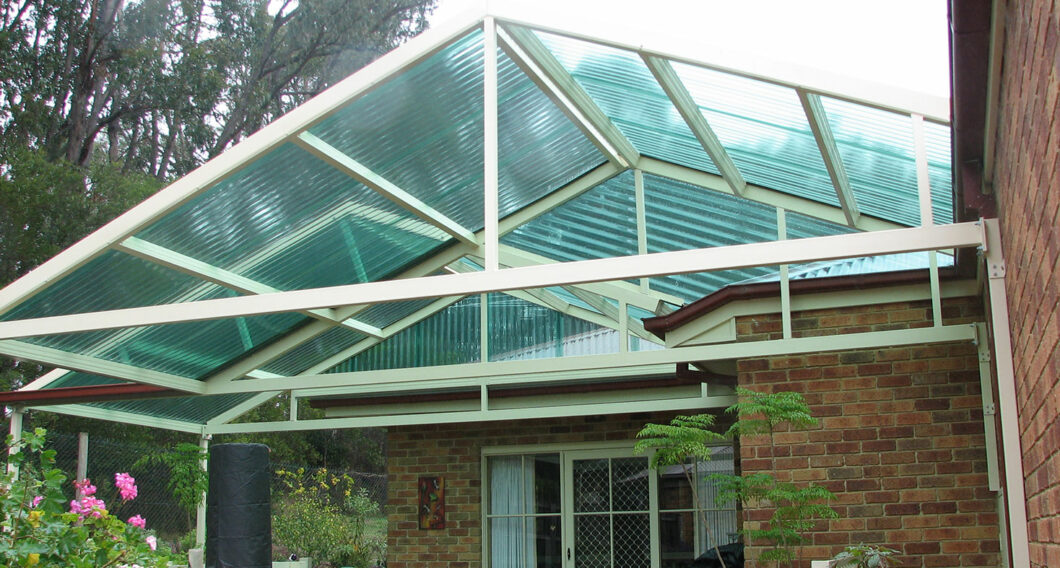
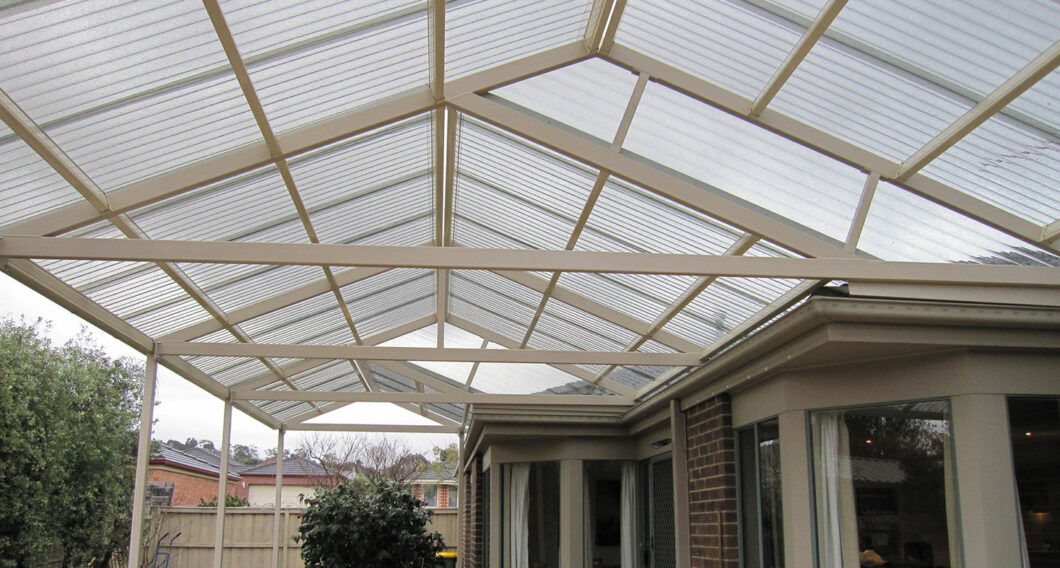
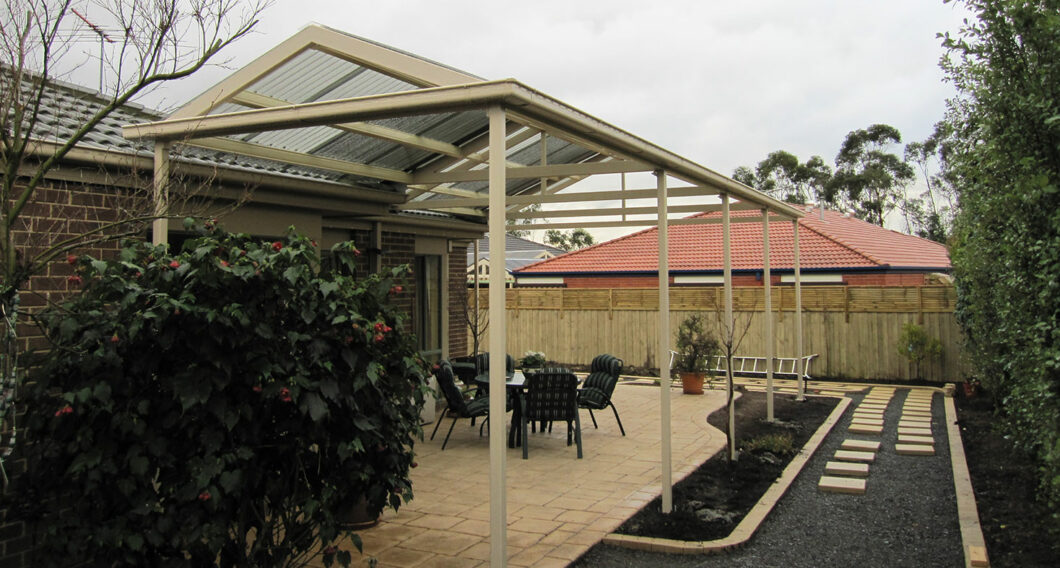
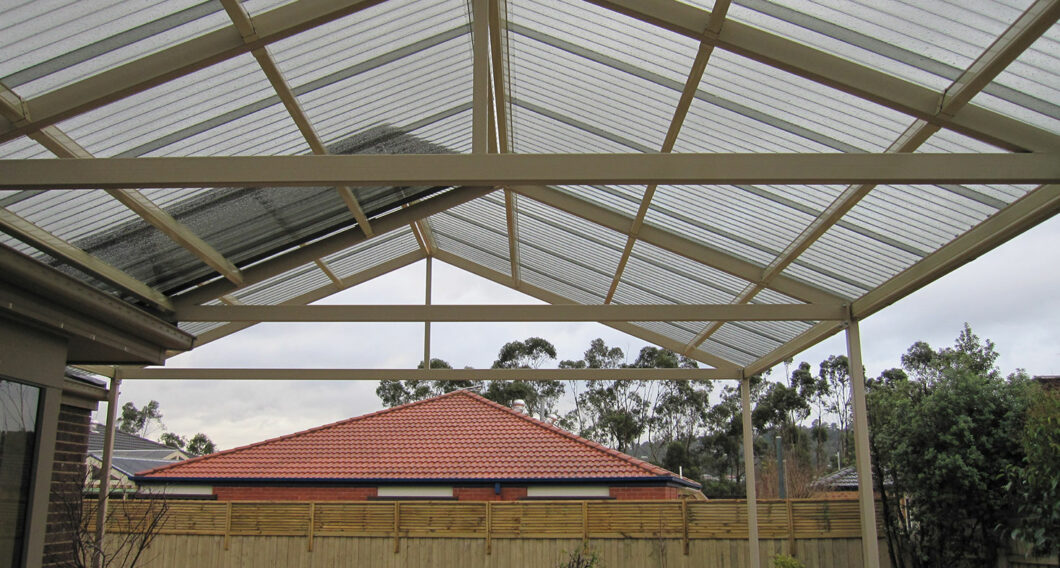
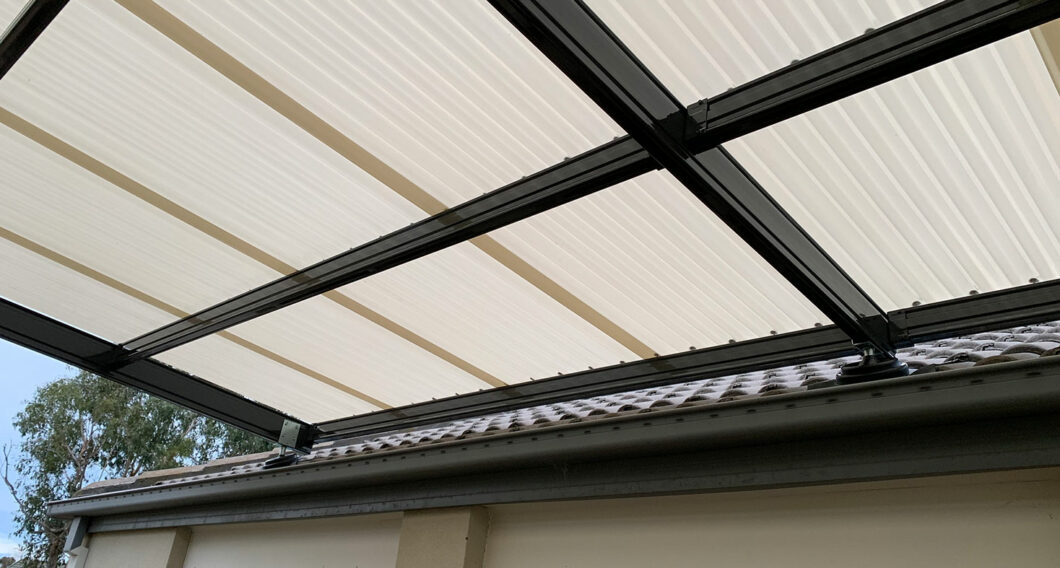
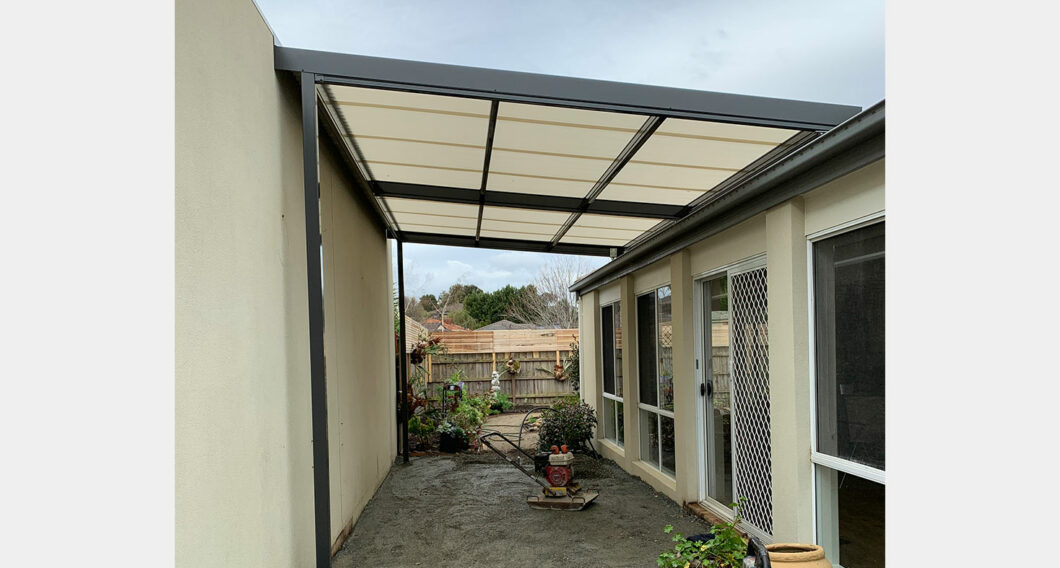
A polycarbonate roof carport gives you weather protection without blocking natural light. For vehicles, outdoor entertaining areas, or semi-enclosed spaces where a solid steel roof would feel oppressive, that distinction matters.

Trusteel Fabrications designs, fabricates, and installs custom polycarbonate carports across Victoria. Every polycarbonate carport Trusteel builds is designed to your site dimensions, your vehicle requirements, and your council’s planning rules. 

To start the process, request a quote.

What a Polycarbonate Carport Roof Offers

Polycarbonate roofing transmits natural light while still providing protection from rain, hail, and UV exposure. A solid Colorbond steel roof protects your car but creates a dark, enclosed space. Polycarbonate keeps the area bright without leaving your vehicle exposed to the weather.

This makes polycarbonate a practical solution for double carports, outdoor entertaining areas, and any structure where light transmission has genuine value.

Polycarbonate Roofing Types: What the Differences Mean in Practice

Three sheet types are commonly used in carport construction. Each performs differently across the criteria that matter most for an outdoor structure.

  • Corrugated polycarbonate is a single-layer sheet with a profile matching standard roof iron. It is the most affordable option and handles rain and hail well, but it offers no insulating value and can amplify heat in summer.
  • Twin-wall polycarbonate has a hollow chamber between two sheet faces. That air gap improves thermal performance considerably, making the space below more comfortable across seasons. It also reduces condensation on the underside of the roof.
  • Solid flat sheet is used where appearance and rigidity are the priority. It suits architectural or semi-commercial installations more than standard residential carports.

UV-stabilised coatings affect how long any sheet type maintains its optical clarity. Grade matters when comparing products. Sheets without adequate UV coating will yellow and become brittle within a few years in the Australian climate.

Frame Construction: Why the Steel Structure Matters

Polycarbonate roofing is only as durable as the frame carrying it. A lightweight frame that deflects under wind load will stress the sheet fixings and shorten the life of the roof.

Trusteel builds carport frames using RHS structural steel rather than the C-section framing found in most kit carports. RHS handles lateral and torsional loads more effectively. Under wind and hail events, that structural difference is what keeps the frame rigid and the roof intact.

Wind load compliance is governed by AS 1170.2, the Australian Standard for wind actions. Carports must be designed to meet the wind region classification for their site. RHS frames are better suited to meeting those requirements across a wider range of site conditions.

Permits for Polycarbonate Carports in Victoria

In Victoria, a carport over 20m² requires a building permit under the Building Regulations 2018 (Vic). That permit must be carried by a registered builder. Without one, you need to engage a Victorian Building Authority (VBA) registered practitioner separately before construction can proceed.

Trusteel manages permit applications as part of every project. You do not need to source a registered builder elsewhere or navigate the application yourself.

Setback distances from property boundaries also apply and vary by council zone. Trusteel’s site evaluation covers both permit eligibility and setback compliance before any design work is finalised.

To discuss your site and get started, contact us to start the process.

Freestanding or Attached: Which Configuration Suits Your Property

A freestanding carport sits independently on your property and offers more flexibility in positioning. An attached structure shares a load path with your house wall, which changes both the engineering requirements and the permit documentation.

Both configurations are available from Trusteel. The site evaluation stage determines which is structurally appropriate for your property.

What the Process Looks Like

Trusteel manages five stages for every carport installation: site evaluation, quotation, custom design, fabrication, and installation. You do not coordinate separate trades. Concrete work and steel fabrication are handled by Trusteel’s own teams.

This removes the coordination risk that most homeowners encounter when managing a carport project across multiple contractors.

To get an indicative cost before speaking to the team, use our free Shed Designer to work through dimensions and roof style, or request a quote and the team will scope it from your site details.

Frequently Asked Questions

What are the disadvantages of a polycarbonate carport roof compared to Colorbond steel?

Polycarbonate transmits more heat than a solid steel roof, particularly in single-layer corrugated form. It can also be noisier during heavy rain. Twin-wall sheet reduces both issues but costs more than corrugated polycarbonate. Colorbond is the better choice where heat management is the priority and natural light has no value.

Does it get hot under a polycarbonate roof in summer?

Corrugated polycarbonate sheet can make a carport space noticeably warmer in summer. Twin-wall polycarbonate performs significantly better because the insulating air chamber reduces heat transfer. The orientation of your carport and the roof pitch also affect how much heat builds beneath the structure.

Do I need a council permit for a polycarbonate carport in Victoria?

A building permit is required for most carports over 20m² in Victoria under the Building Regulations 2018 (Vic). Requirements vary by council zone, so structures below that threshold may still require approval in some areas. Trusteel confirms permit requirements during the site evaluation before any design work begins.

What is the difference between twin-wall and corrugated polycarbonate for a carport?

Corrugated polycarbonate is a single layer of profiled sheet, similar in form to steel roofing. Twin-wall sheet has a hollow internal chamber that improves insulation and reduces condensation. Twin-wall costs more but performs better across temperature extremes and maintains clarity longer when UV-stabilised coatings are specified.

How long does polycarbonate roofing last before it starts to yellow or degrade?

The lifespan depends on the UV coating grade of the sheet. Quality UV-stabilised polycarbonate can maintain clarity for 10 to 15 years under Australian conditions. Sheets without adequate UV protection can yellow and become brittle within five years. Specifying the correct grade at the outset is the most important factor in long-term performance.